62%
30-47%
Overview
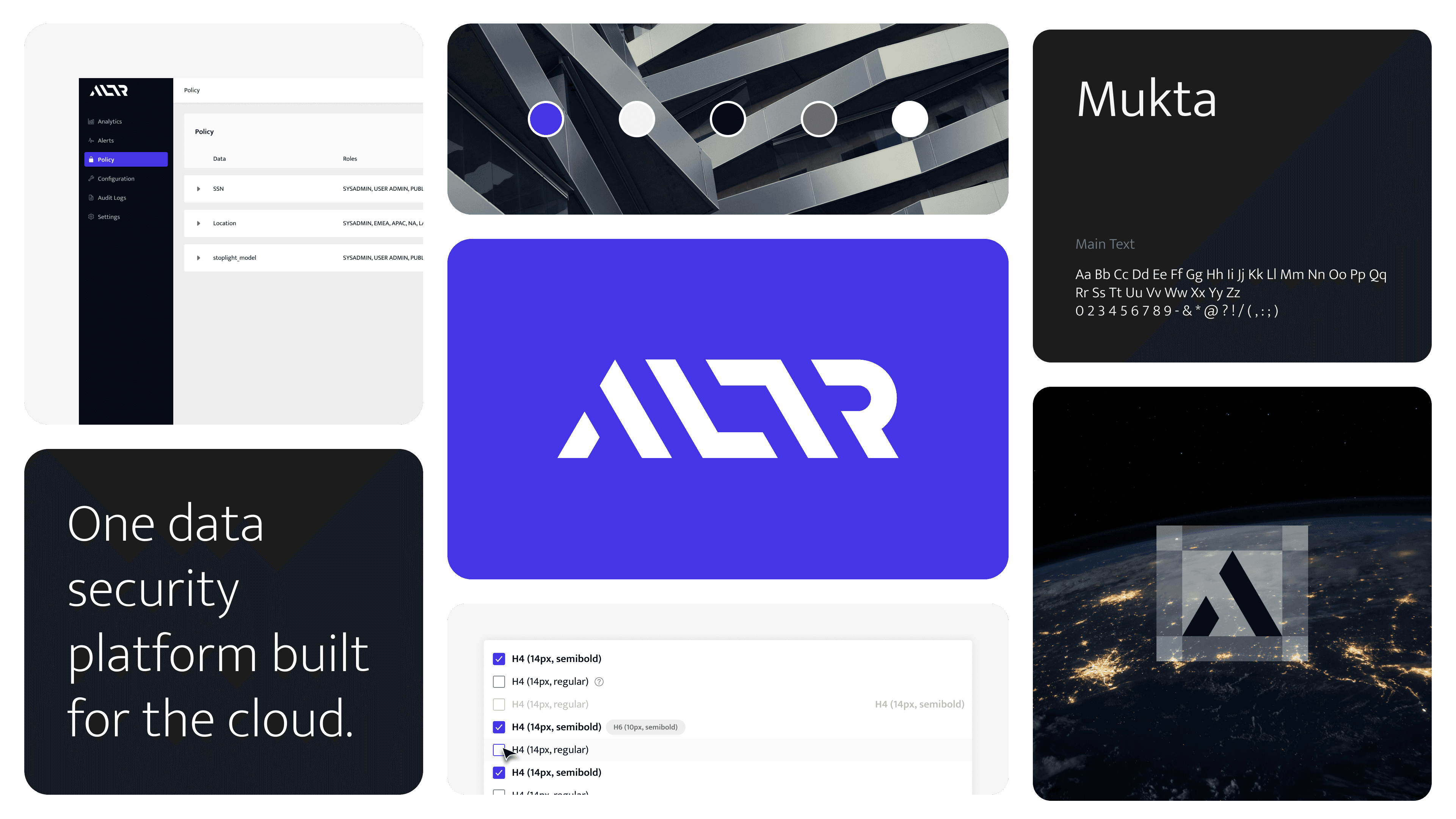
Led end-to-end redesign of ALTR's design system, auditing existing UI, building an atomic component library aligned with our engineering stack, and shipping it in collaboration with frontend engineers. The system reduced UI-related bugs by 62% year-over-year, saved an estimated 300+ hours of design and engineering time in its first year, and has become the foundation for how design and engineering ship at ALTR two years on.
Background
ALTR is a SaaS data security company whose design foundation needed to scale quickly with a growing startup. When I took on the project our front end engineering and design and development cycles were slower than they needed to be, leading to an inconsistent UI that affected brand identity and eroded trust. I pitched a led the effort to create an atomic design system, led the migration of our existing components into the new system, and worked with engineering to build compatiably with our data stack.
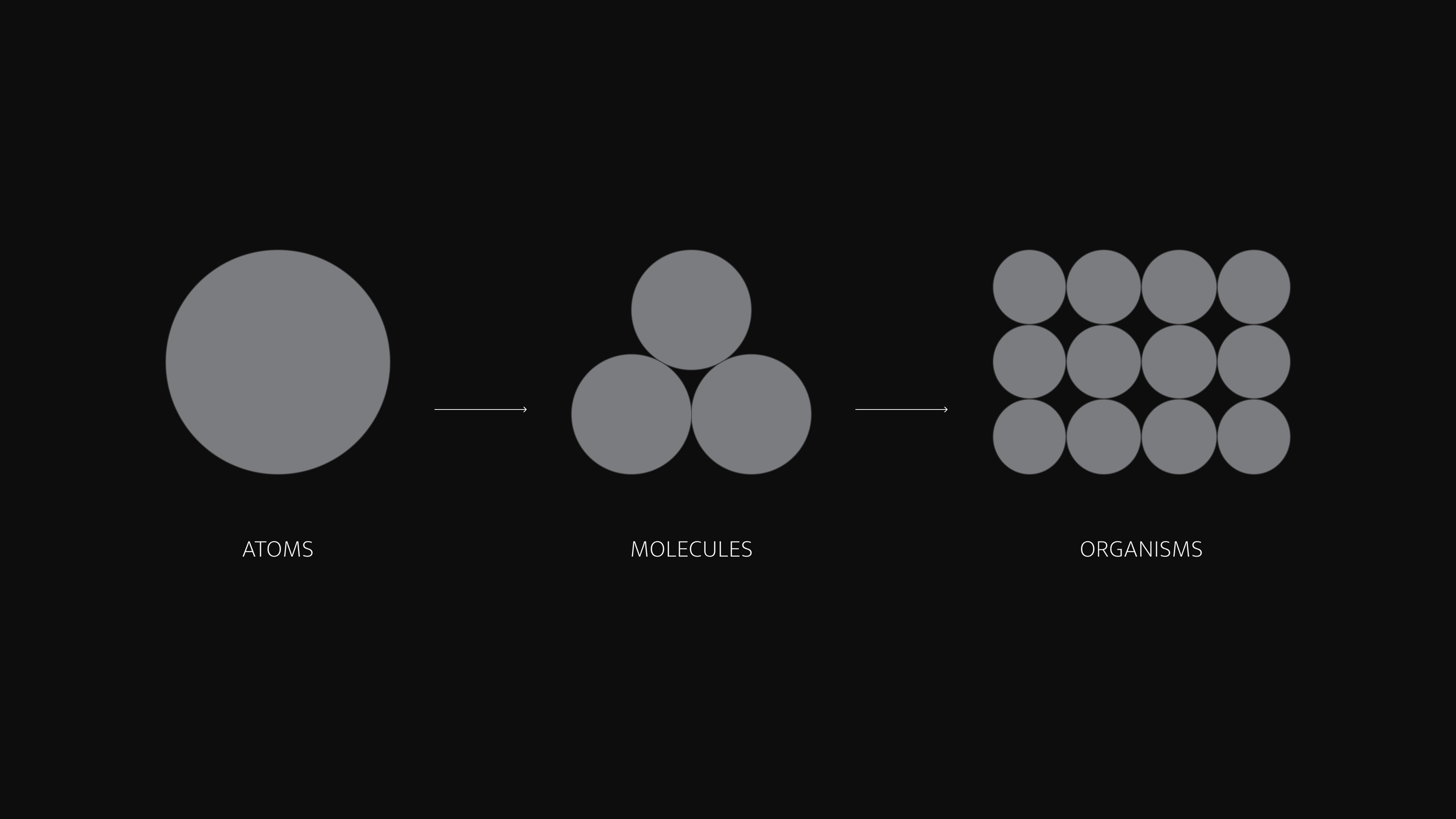
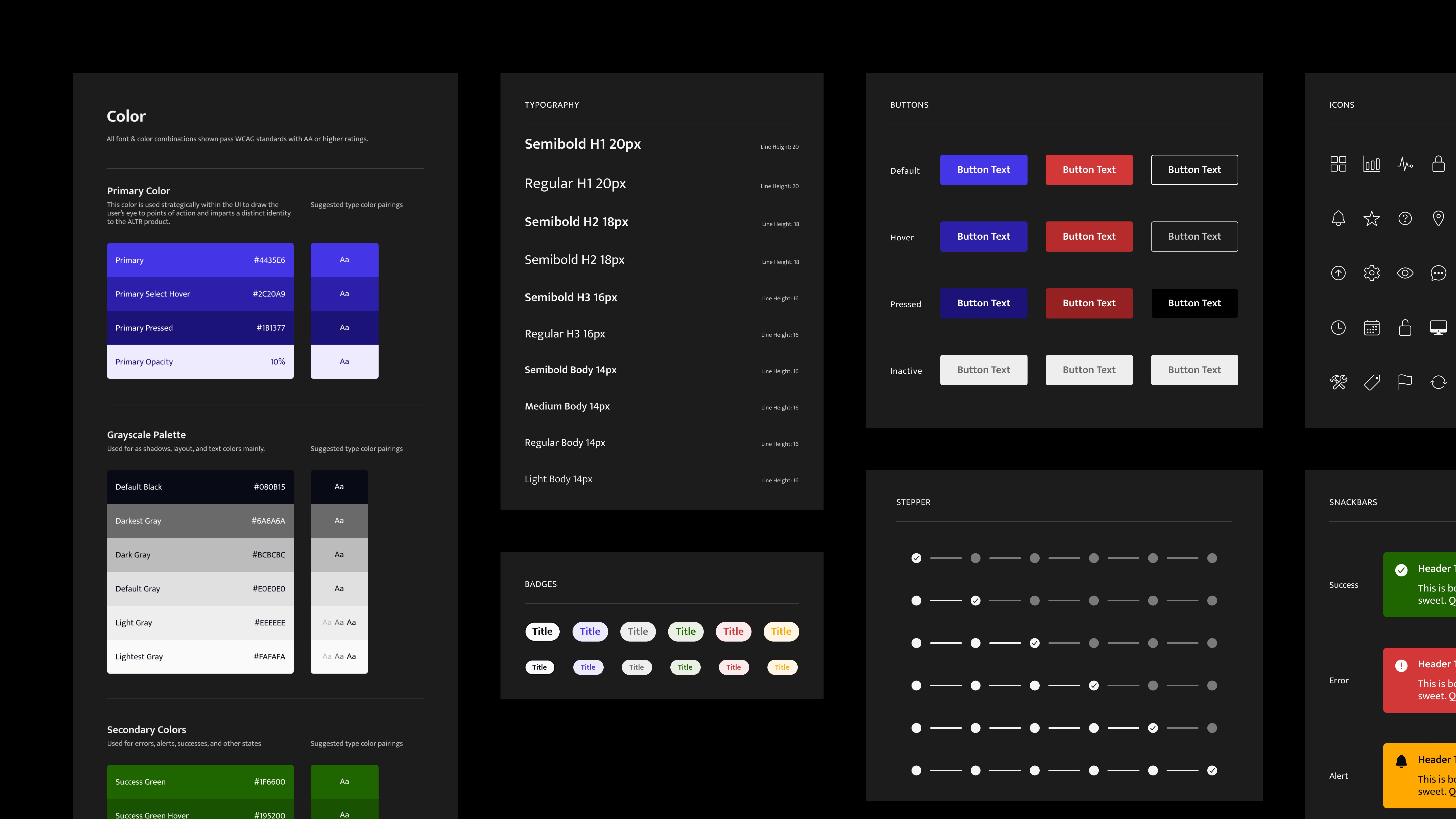
I built the system around Brad Frost's atomic design principles, starting with the smallest unit of UI and building upward in layers of increasing complexity. The result is a library of 150+ components that's flexible without being fragile. You can add to it without breaking what's already there.
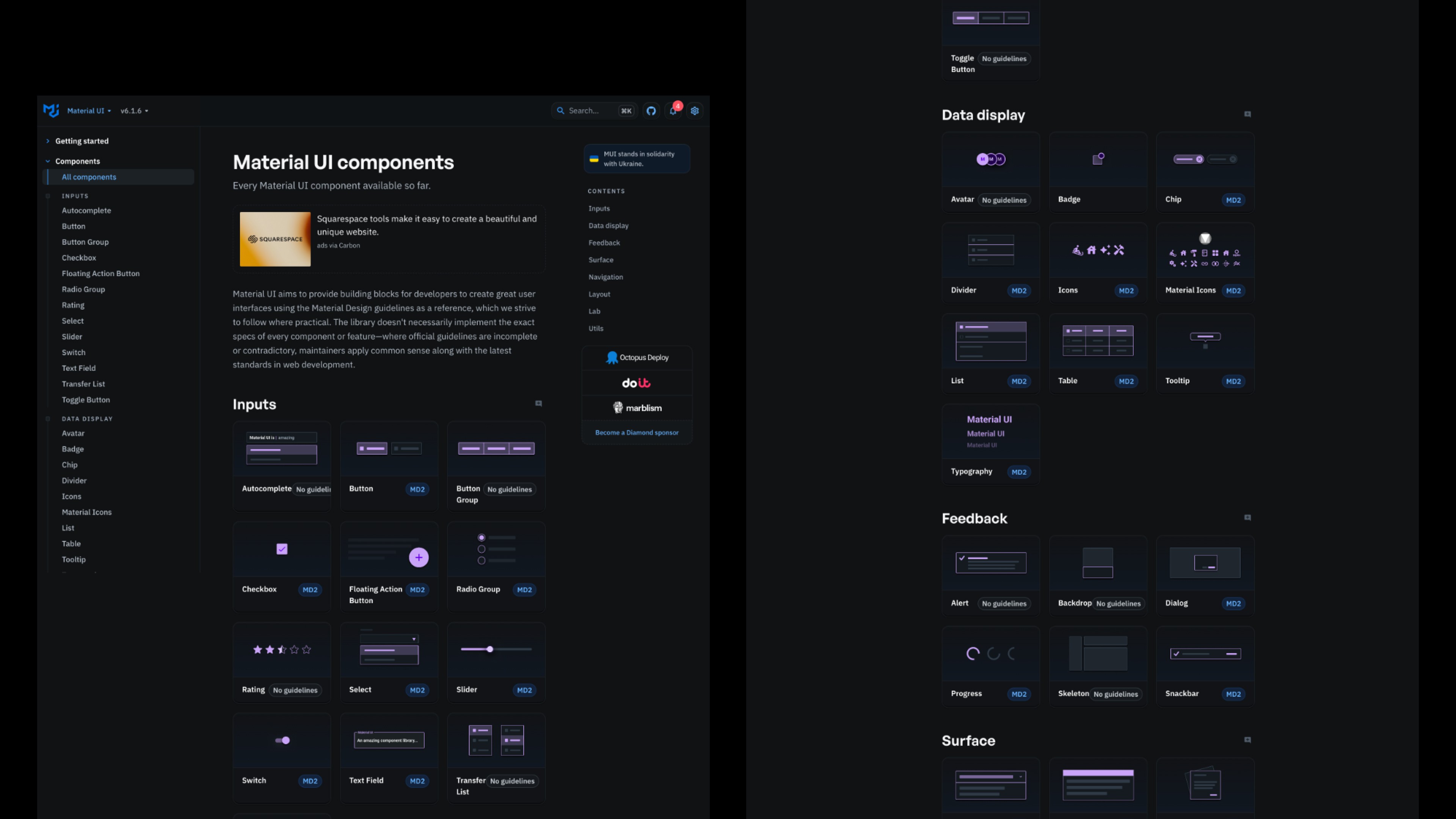
Before touching a single component, I spent weeks auditing existing design files and meeting with engineers to understand how they actually worked. The team leaned heavily on Material UI in development, so the new system needed to fold in cleanly rather than fight what was already built. Aligning naming conventions and component behavior with MUI made adoption significantly smoother.
Building With Accessibility as a Foundation
Every component had to meet accessibility criteria before moving forward. Color contrast, font legibility, hover and inactive states, interaction feedback - all reviewed and standardized at the atom level so those decisions carried through everything built on top of them.
Implementation & Impact
Getting the system into production required strong communication and compromise between engineering and design teams. We compared UI bug tickets from August 2023, before implementation, to August 2024, after a full year in production. The result was a 62% reduction in UI-related bugs. Design and development cycles got faster, the product got more visually cohesive, and we had a scalable framework that could absorb new features without accumulating debt.
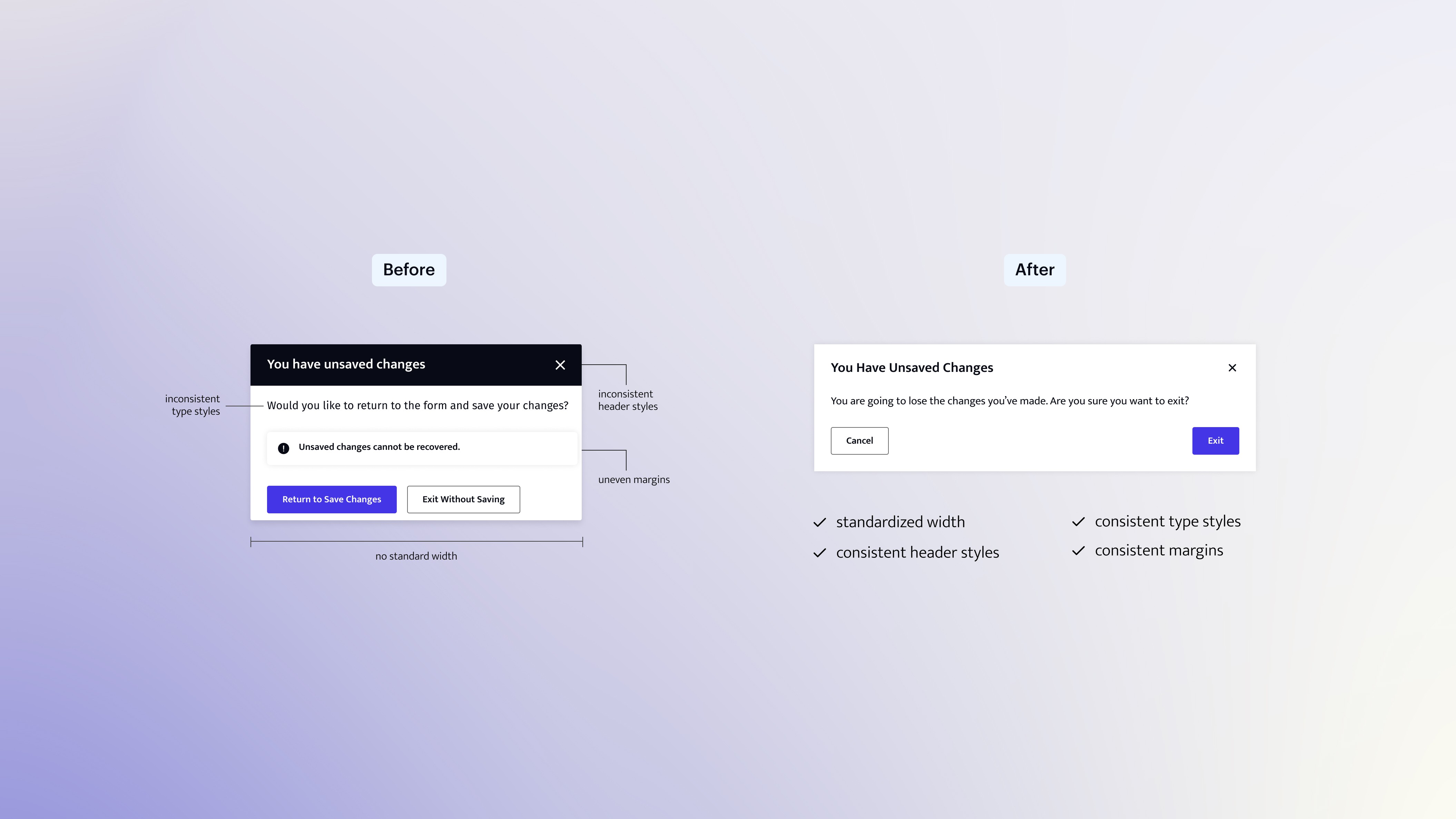
Two years on, the system now powers marketing materials, trade show assets, POC decks, and customer walkthroughs, giving the whole company a consistent visual language.
What I'm most excited about is what's ahead. Because everything is componentized and standardized, we're well positioned to feed the design system directly into AI tools, using it as a structured foundation for generating new components and making governance more accessible at scale.